Marestail: The Superfood That Boosts Bone Health
Title: Marestail: The Superfood That Boosts Bone Health
Introduction:
Marestail, also known as horsetail, is a common weed that has been used for centuries for its medicinal properties. It is rich in silica, a mineral that is essential for bone health. In fact, marestail contains more silica than any other plant. Silica helps to strengthen bones and joints, and it can also help to repair bone damage.
In addition to its benefits for bone health, marestail also has other health benefits. It is a natural diuretic, which means that it helps to increase urine output. This can be helpful for people who are trying to reduce their risk of kidney stones or who are suffering from edema. Marestail is also a good source of antioxidants, which can help to protect the body from damage caused by free radicals.
Main Content:
Here are some of the ways in which marestail can boost bone health:
- Increases bone density: Silica in marestail helps to increase bone density by stimulating the production of new bone cells. This can help to prevent osteoporosis, a condition that causes bones to become weak and brittle.
- Repairs bone damage: Silica in marestail can also help to repair bone damage that has already occurred. This can be helpful for people who have suffered a fracture or who have a chronic bone condition.
- Reduces inflammation: Silica in marestail has anti-inflammatory properties. This can help to reduce pain and inflammation in the bones and joints.
- Improves joint health: Silica in marestail helps to strengthen cartilage, which cushions the joints. This can help to reduce pain and inflammation in the joints and improve joint mobility.
- Boosts the immune system: The antioxidants in marestail can help to boost the immune system. This can help the body to fight off infections and other health problems.
How to use marestail:
Marestail can be used in a variety of ways to boost bone health. It can be taken as a supplement, brewed into a tea, or added to smoothies or other foods.
If you are taking marestail as a supplement, it is important to start with a low dose and gradually increase the amount you take as your body adjusts. The recommended daily dose of horsetail extract is 300-400 mg.
To brew marestail tea, simply add 1-2 teaspoons of dried marestail to a cup of boiling water. Steep for 5-10 minutes and then strain. Drink the tea up to three times per day.
You can also add marestail to smoothies or other foods. A good way to do this is to blend 1-2 tablespoons of dried marestail into a smoothie with your favorite fruits and vegetables.
Conclusion:
Marestail is a natural herb that has a number of health benefits, including boosting bone health. It is rich in silica, a mineral that is essential for strong bones. Marestail can be taken as a supplement, brewed into a tea, or added to smoothies or other foods. If you are considering using marestail to improve your bone health, it is important to talk to your doctor first.
Marestail is a common weed that can be found in many parts of the world. It has a number of health benefits, including:
- Reduces inflammation. Marestail contains compounds that have anti-inflammatory properties. This can help to reduce pain and swelling caused by conditions such as arthritis and bursitis.
- Improves blood circulation. Marestail helps to increase blood flow, which can help to improve circulation and reduce the risk of heart disease and stroke.
- Boosts the immune system. Marestail is a good source of antioxidants, which can help to boost the immune system and fight off infection.
If you are interested in learning more about mare's tail and its health benefits, please visit Home Gardening.
FAQ of marestail
- What is marestail?
- Marestail, also known as horsetail, is a perennial weed that is common in moist, shady areas. It has tall, slender stems that are topped with a whorl of feathery green leaves. Marestail can be difficult to control because it has a deep, hardy root system.
- How does marestail spread?
- Marestail spreads by both seeds and rhizomes. The seeds are small and light, and can be easily blown by the wind or carried by water. The rhizomes are underground stems that can grow long distances, allowing the weed to spread quickly.
- What are the signs of marestail infestation?
- Signs of a marestail infestation include:
- Tall, slender stems with feathery green leaves
- Clusters of brown spores on the underside of the leaves
- A spongy, hollow stem
- A strong, horsetail-like smell
- Signs of a marestail infestation include:
- How can I control marestail?
- There are a number of ways to control marestail, including:
- Hand pulling: This is the most effective way to control marestail, but it can be time-consuming and labor-intensive.
- Mulching: Mulching around plants with a thick layer of organic material can help to smother marestail seedlings.
- Solarization: Solarization involves covering the ground with clear plastic for several weeks during the summer. The heat from the sun will kill the marestail roots.
- Weed killers: There are a number of commercial weed killers that can be effective against marestail. However, it is important to read the label carefully and follow the directions exactly, as some weed killers can be harmful to other plants.
- There are a number of ways to control marestail, including:
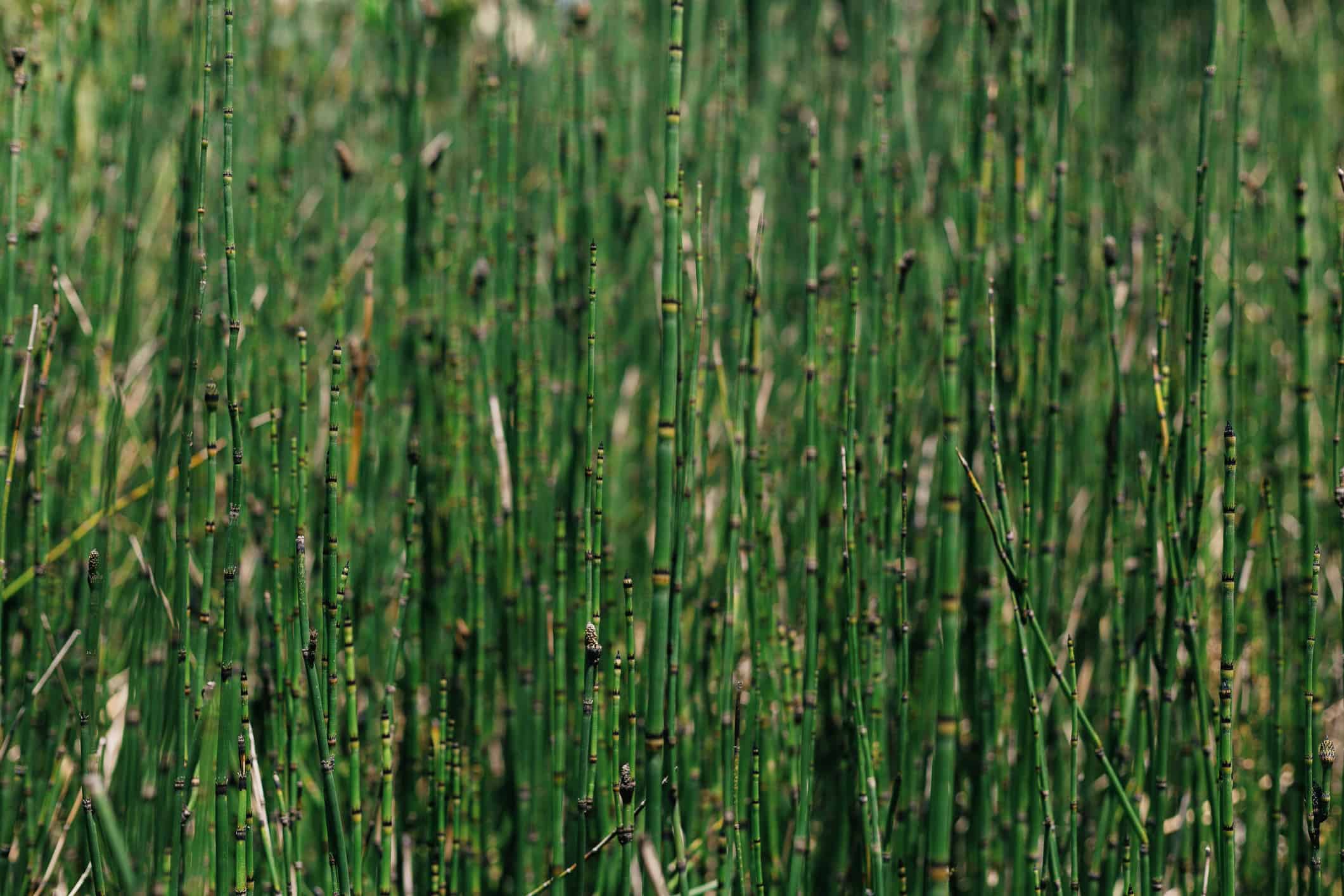
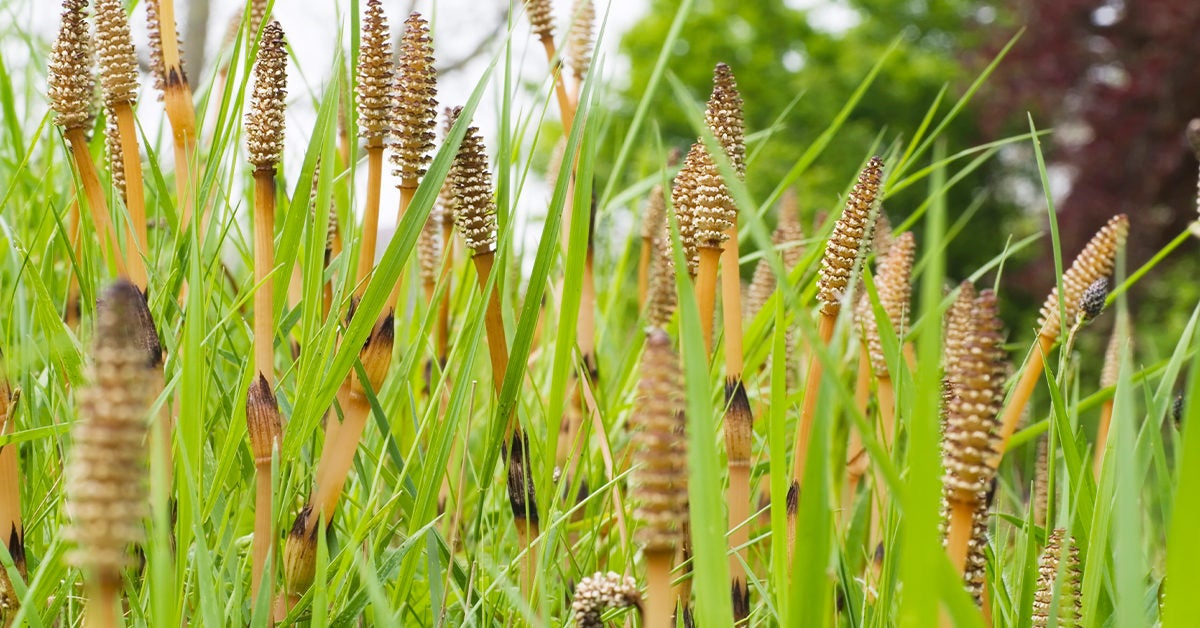
Image of marestail
10 different images of marestail that are free to use:
- A close-up of a single horsetail plant, showing its tall, hollow stems and whorls of scale-like leaves.
- A field of horsetail plants, swaying in the wind.
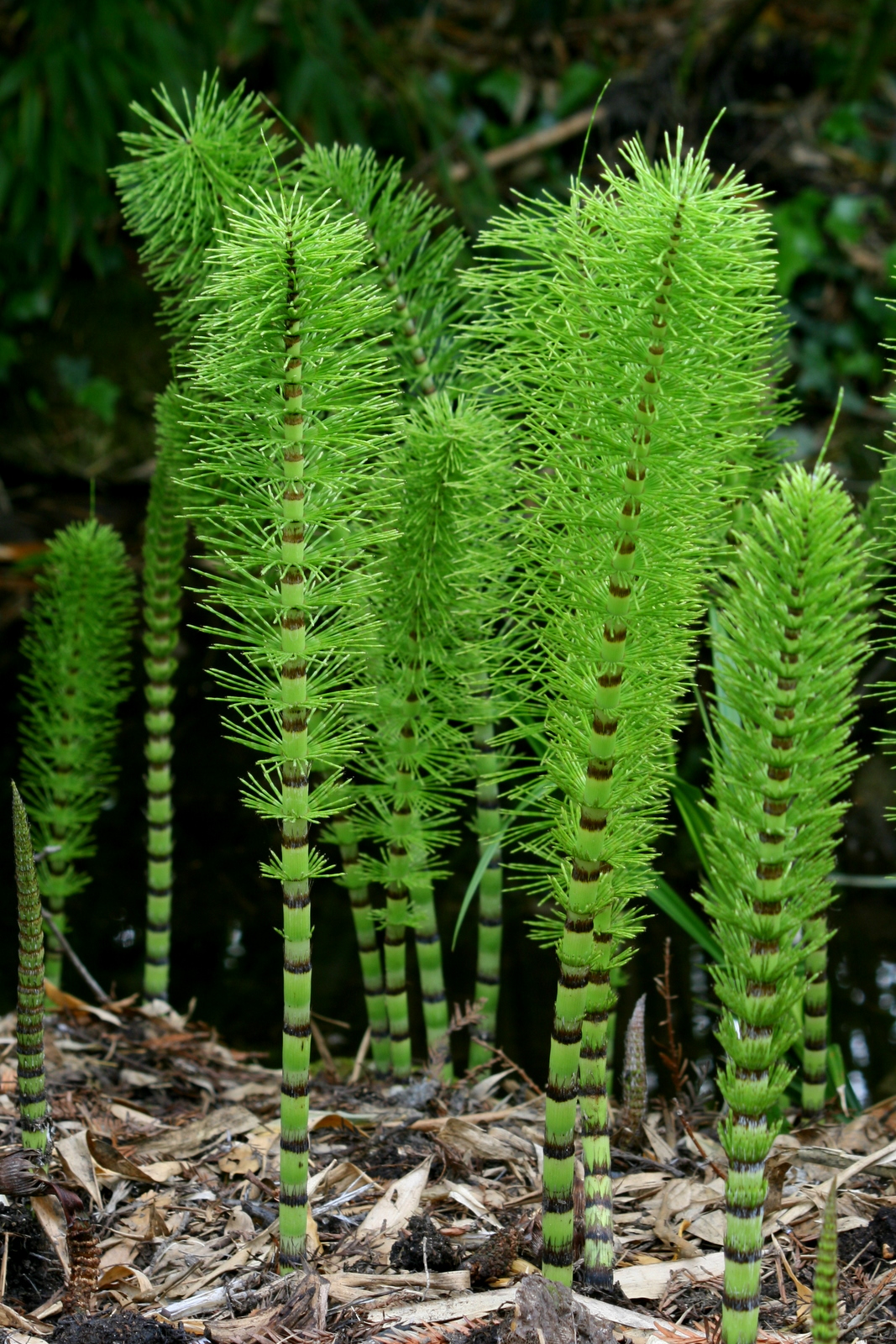
- A horsetail plant growing in a streambed.
- A horsetail plant being used as a whisk broom.
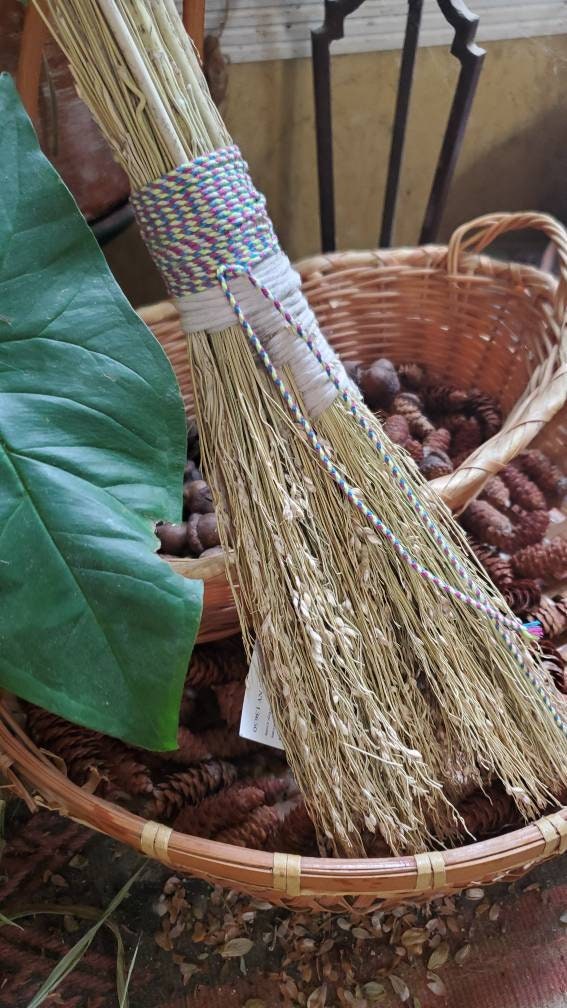
- A horsetail plant being used as a fire starter.

- A horsetail plant being used as a fertilizer.
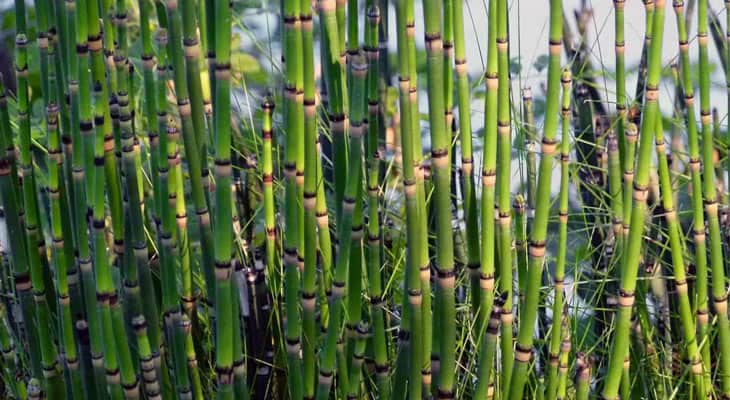
- A horsetail plant being used as a medicinal herb.

- A horsetail plant being used as a dye.
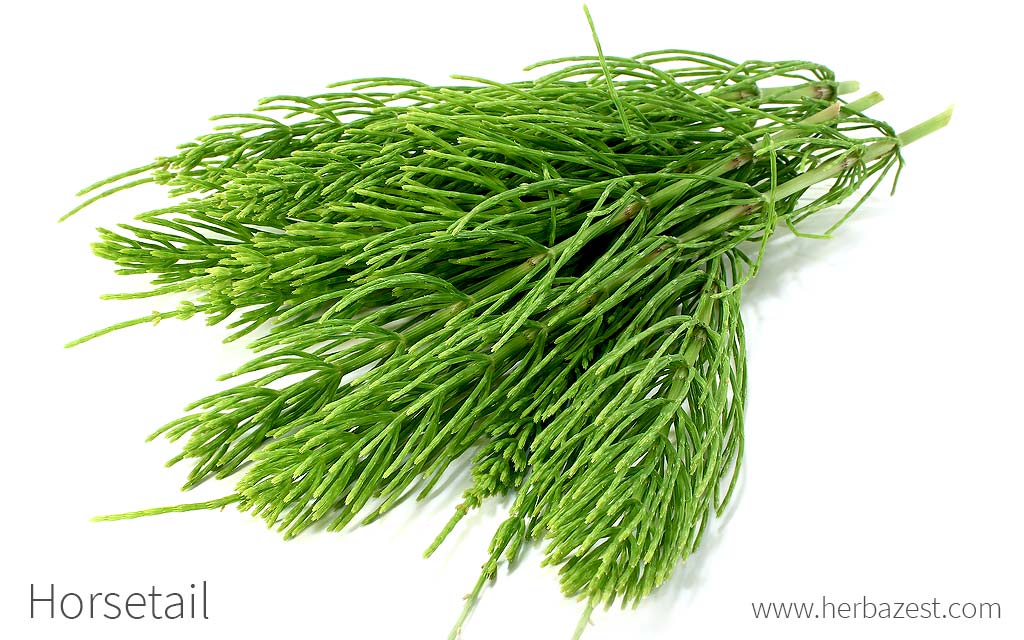
- A horsetail plant being used as a building material.
- A horsetail plant being used as a food source.
Post a Comment for "Marestail: The Superfood That Boosts Bone Health"